

 Telephone
 Email

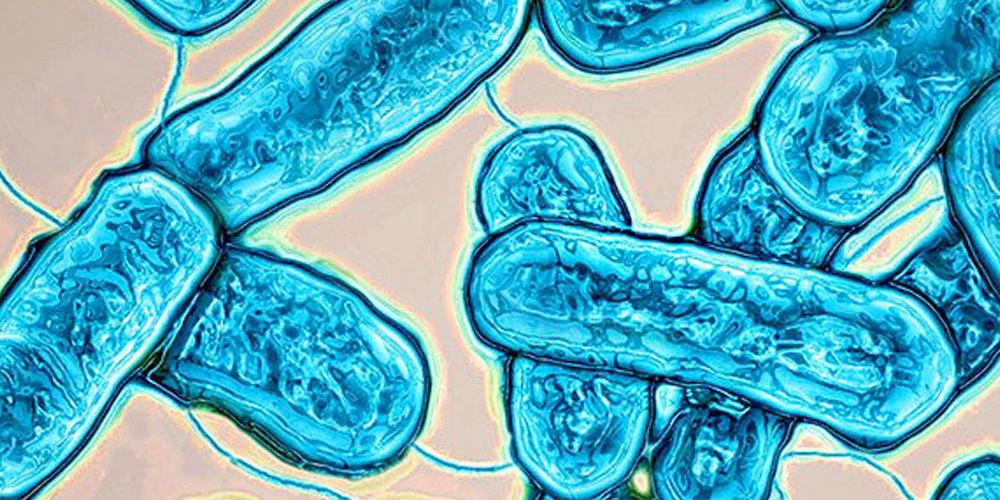
The bacteria legionella is usually found in water. In temperatures between 20 and 45°C the legionella bacteria multiplies and feeds off the nutrients available. In temperatures below 20°C the bacteria is dormant but still present and over 60°C it can not survive.
Legionella bacteria can cause the potentially fatal legionnaires’ disease which is a serious and often fatal type of pneumonia. It is contracted by inhaling water drops containing the legionella bacteria that can become airbourne. Airbourne bacteria of this type can be found in any hot and cold outlets, hot tubs or hydrotherapy baths and wet air conditioning plants
Legionnaires’ disease can develop in anyone but is more likely in older people, smokers, heavy drinkers and anyone with respiratory problems, kidney disease or cancer.
Legionella Bacteria Prevention
Health and safety operatives should provide a full risk assessment of any water systems using both hot and cold water. A legionella risk assessment should ensure that adequate measures are taken to control and possible risks
These control methods include active temperature control that prevent Legionella bacteria from growing. Any hot water cylinders should store water at above 60°C and any distribution of water around the system should be at 50°C or above. Any cold water storage should be below 20°C. Health and safety operatives should check the system on a regular basis and perform maintenance tasks including cleaning and inspecting of the system in-line with the risk assessment
Minimise Legionella Bacteria Growth
Where water is stagnant will encourage the growth of Legionella. To remove such risks it is advisable to remove any dead ends in pipework where water will rest and stagnate. Any outlets should be washed out regularly, at least once a week, including taps and shower heads. Cold water tanks to be emptied and cleaned regularly to check for debris and any corrosion.
Systems should be designed to minimise any Legionella growth like keeping pipe work direct and short, ensure pipes and tanks are adequately insulated and using materials that deter legionella growth
At ignis our Legionella risk assessments are fully compliant with Acop L8 & HSG 274 & COSHH guidance. A mandatory aspect of Acop L8 is the application of a written control scheme, and monthly monitoring of your hot & cold-water system. All temperature monitoring & non-conformance data is recorded on a dedicated database with remote client log in to access your results.